Physical Address
304 North Cardinal St.
Dorchester Center, MA 02124

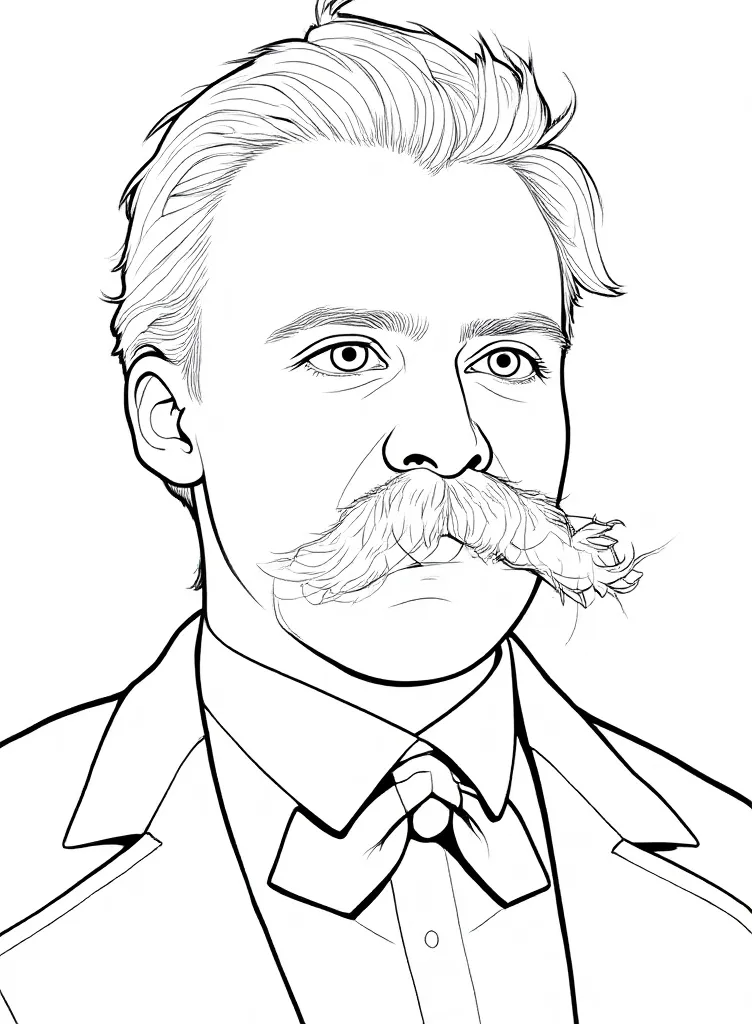
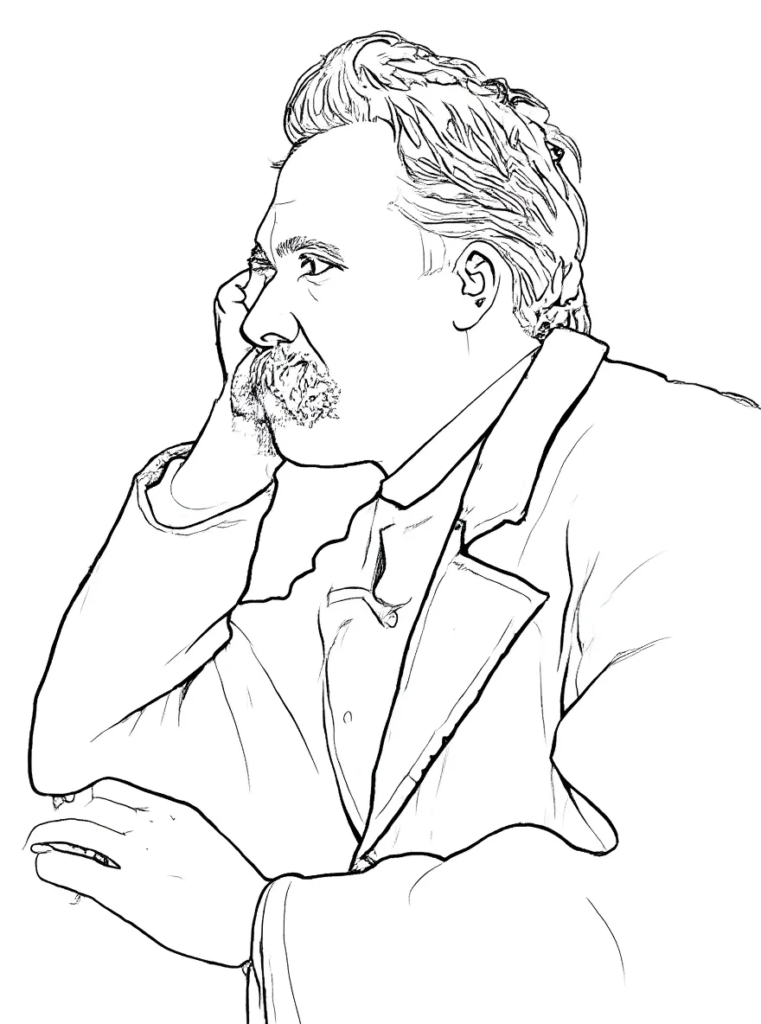
If you’ve ever seen a photo of Friedrich Nietzsche, you know he had a mustache so mighty it looked like it needed its own passport. Fortunately, the man behind the facial hair was even more interesting. Yes, Nietzsche has a reputation for being dark, brooding, and occasionally cataclysmic in his pronouncements — but underneath all that is a surprisingly lively philosopher with ideas that still shape how we think today.
Think of this as Nietzsche with the lights on: still intense, but not nearly as scary.
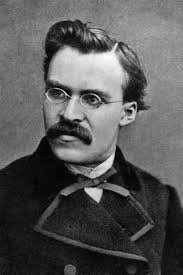
Friedrich Nietzsche was born in 1844 in a small village in Prussia, which is the 19th-century equivalent of “middle of nowhere, Europe.” His father died when he was young, and he grew up in a household filled with women — an experience he later claimed made him suspicious of “herd thinking,” though that might be giving childhood trauma a little too philosophical credit.
He was a brilliant student, landed a university professorship at age 24 (no pressure, right?), and then… he quit. Why? Chronic health issues, migraines, stomach problems, declining eyesight — basically the entire Walgreens pharmacy aisle in one person.
But it was after leaving academic life that Nietzsche wrote his most important works:
Thus Spoke Zarathustra, Beyond Good and Evil, The Gay Science, On the Genealogy of Morals, and others — books that still make college students feel deep and confused today.
(The Lighthearted, Digestible Version)**
Nietzsche’s philosophy is layered, but here are the big ideas — minus the headaches:
This wasn’t a celebration. He wasn’t saying “Woohoo, no rules!” He meant that traditional moral frameworks were collapsing in the modern world. And when people lose their guiding values, they tend to flail around like confused Roombas.
Nietzsche’s solution:
Create your own values with purpose and courage.
The Übermensch (“Overman” or “Superman”) isn’t about being physically strong or dominating others.
It’s about:
If that sounds like every modern self-help book, that’s because Nietzsche basically invented the genre — minus the smoothie recipes.
Imagine you had to live your exact same life again… eternally… every moment repeated forever.
Would that thought make you proud, or horrified?
Nietzsche used this as a test:
Live in such a way that you’d say “Yep, I’d do it again.”
This isn’t about control or domination. Nietzsche argued that living things strive toward growth — expansion of ability, creativity, strength, and vitality.
It’s the natural push in us that says:
“I can be more than I am.”
It’s also what probably made him grow that legendary mustache.
Nietzsche believed society pressures us to conform — to be safe, agreeable, predictable… basically the philosophical version of beige wallpaper.
He urged people to embrace individuality instead of melting into the crowd.
(And Not Just to Philosophy Majors)**
Even though he wrote in the 1800s, Nietzsche’s ideas show up everywhere:
Every “be your best self!” message echoes his call to rise above the herd and shape your own life.
His philosophy encourages people to take risks, break molds, and build something unique — a personality trait Silicon Valley would give stock options for.
Nietzsche basically predicted the importance of mindset, resilience, and personal agency long before therapists started charging by the hour.
From The Matrix to motivational speaking to every moody Instagram quote, Nietzsche’s fingerprints are everywhere.
He was writing during a major moral and cultural upheaval. Sound familiar?
He understood uncertainty better than most — and his advice was to build strength, authenticity, and courage instead of retreating into fear.
(Without Needing a Philosophy Degree)**
Here are a few practical, lightweight Nietzschean lessons you can actually use:
Nietzsche can be heavy — sure. He wrestled with big questions about morality, meaning, and what we do when old certainties collapse. But he also believed in human creativity, vitality, and the ability to shape one’s own destiny.
You don’t have to become a philosopher to appreciate that. You just need a bit of courage, a dash of curiosity, and maybe a touch of that “One Mustache to rule them all” energy.
After all, if Nietzsche taught us anything, it’s that life isn’t about following the crowd — it’s about becoming the strongest, most authentic version of yourself… even if the journey includes the occasional existential crisis.